
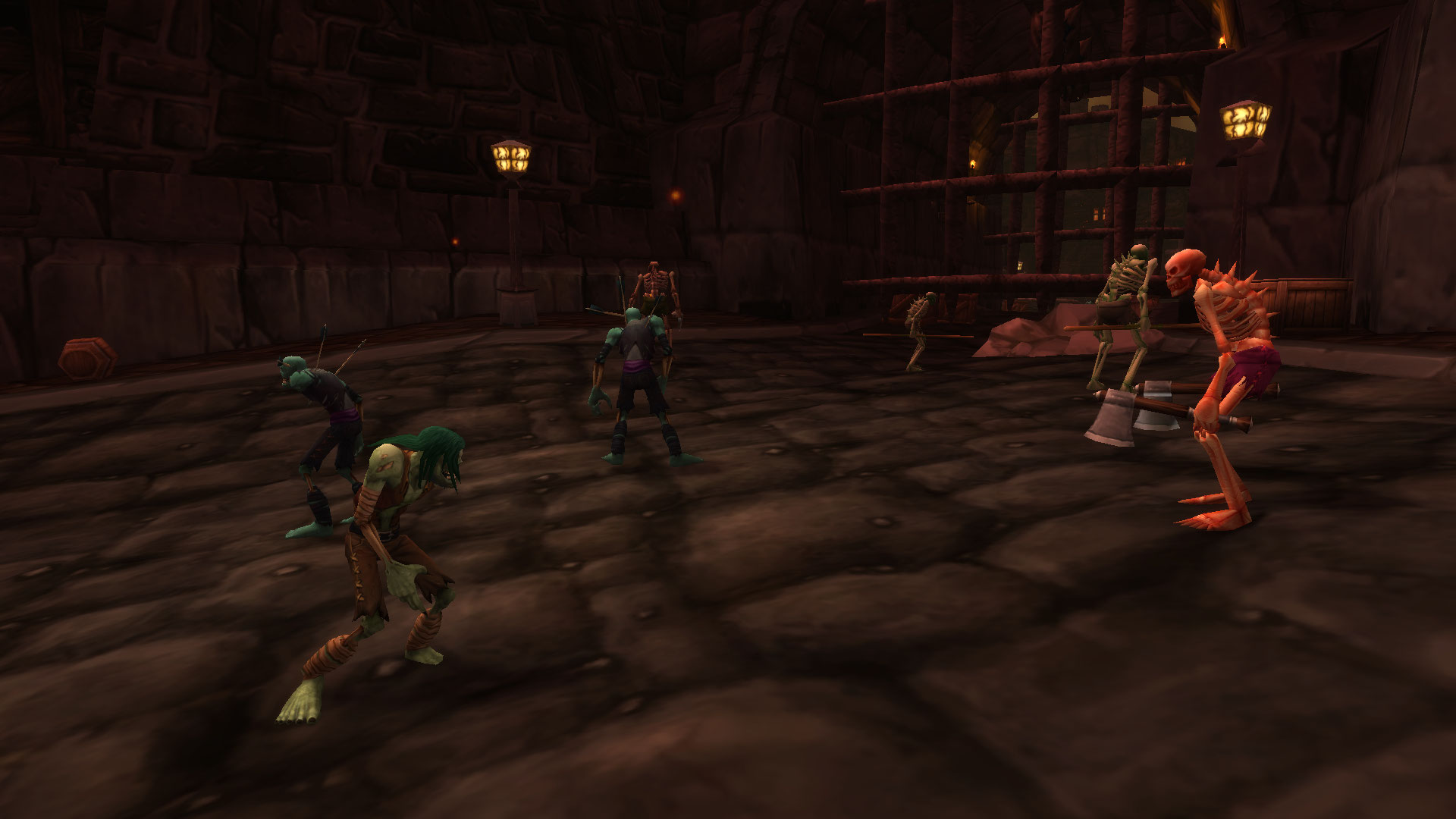

The Culling of Stratholme is one of the most pivotal events in the lore of Warcraft, marking a significant turning point in the story of Arthas Menethil. This tragic moment encapsulates the desperation of a prince faced with an overwhelming threat: the Scourge. As the undead plague ravaged the city, Arthas made the harrowing decision to purge Stratholme, believing it was the only way to save the world from total annihilation. This guide delves into the historical context, the mechanics of the event, and its lasting impact on the Warcraft universe.
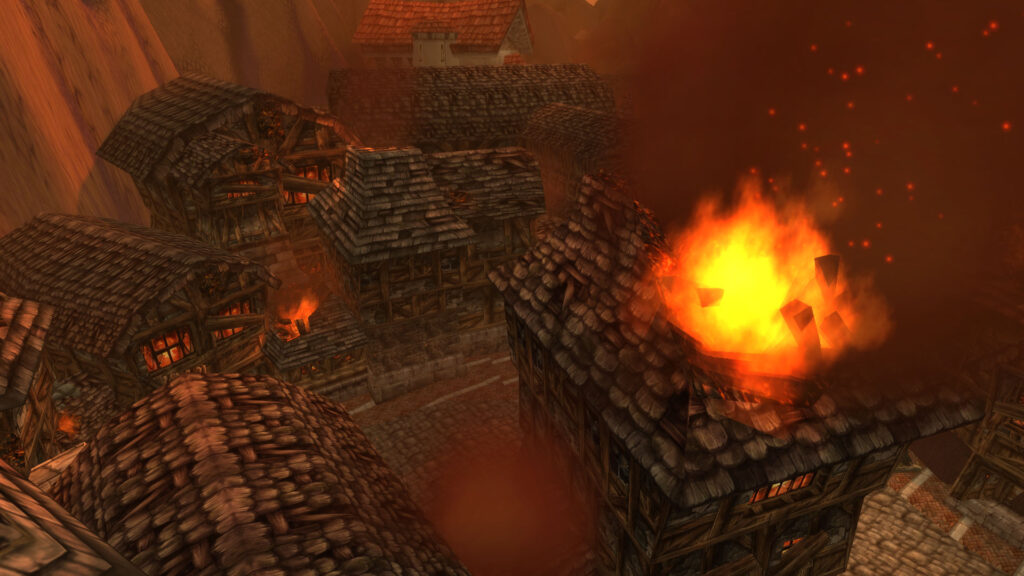
What were the key events during the Culling of Stratholme?
The Culling of Stratholme involved Arthas leading a desperate mission to eradicate the infected citizens of Stratholme, believing it was the only way to stop the Scourge from spreading.
This section outlines the critical events that transpired during the Culling of Stratholme, providing a timeline of actions taken by Arthas and his allies. The table below summarizes the significant moments, the decisions made, and their consequences, illustrating the gravity of the situation faced by the prince.
| Event | Date | Key Decision | Outcome |
|---|---|---|---|
| Arrival at Stratholme | Day 1 | Assess the situation | Realization of the plague’s spread |
| Decision to Purge | Day 2 | Execute the infected | Massive loss of life |
| Confrontation with Uther | Day 2 | Defend his actions | Strain on relationships |
How did Arthas justify the Culling of Stratholme?
Arthas justified the Culling of Stratholme as a necessary evil to prevent the Scourge from spreading, believing that the infected citizens posed an imminent threat.
In the face of an overwhelming undead plague, Arthas was confronted with a moral dilemma. The citizens of Stratholme were already infected, and the rapid spread of the plague meant that any delay could result in a catastrophic outbreak. Arthas, driven by a sense of duty to protect his kingdom, rationalized that the only way to save the greater population was to eliminate the infected before they could turn into Scourge minions. This decision was not made lightly, as it involved sacrificing innocent lives for what he perceived as the greater good.
From a strategic standpoint, the mechanics of the plague were well understood by Arthas and his advisors. The Scourge operated on a principle of infection and transformation, where any infected individual would eventually succumb to the plague and rise as a mindless undead. The urgency of the situation was compounded by the knowledge that the Scourge was not only a physical threat but also a psychological one, instilling fear and panic among the populace. Arthas’s decision to purge Stratholme was a calculated risk, based on the belief that the immediate threat outweighed the moral implications of his actions.
In practical terms, Arthas’s actions can be analyzed through the lens of utilitarian ethics, where the outcomes of actions are weighed against the potential benefits and harms. By choosing to eliminate the infected, he aimed to prevent a larger catastrophe that could lead to the downfall of his entire kingdom. This decision, however, would haunt him, as the consequences of his actions would ripple throughout the Warcraft universe, leading to his eventual downfall.
What steps did Arthas take during the Culling of Stratholme?
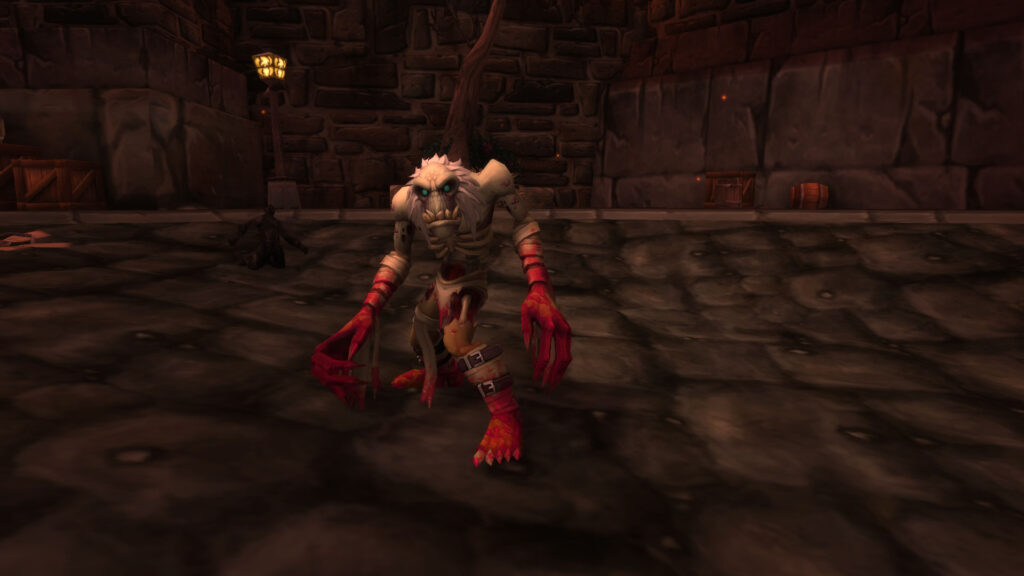
Arthas took several critical steps during the Culling of Stratholme, including assessing the situation, mobilizing his forces, and executing his plan to purge the city.
The Culling of Stratholme was marked by a series of decisive actions that reflected Arthas’s resolve and desperation. First, upon arriving in Stratholme, he quickly assessed the situation, realizing the extent of the infection and the imminent threat posed by the Scourge. This initial evaluation was crucial, as it set the stage for the drastic measures he would soon undertake. Next, he mobilized his forces, including his loyal paladin Uther and other members of the Silver Hand, to prepare for the impending confrontation with the infected citizens.
- Assess the infection: Evaluate the extent of the plague and identify infected individuals.
- Mobilize forces: Gather troops and prepare for the execution of the purge.
- Execute the plan: Begin the process of eliminating the infected citizens swiftly.
- Confront dissent: Address the concerns of allies who oppose the purge, particularly Uther.
As the situation escalated, Arthas faced significant resistance from his allies, particularly Uther, who questioned the morality of his actions. Despite this dissent, Arthas remained steadfast in his belief that the purge was necessary. He executed his plan with ruthless efficiency, leading to the tragic deaths of countless innocents. Each step taken during this dark chapter was fraught with tension, as Arthas grappled with the consequences of his choices while simultaneously striving to protect his kingdom from the Scourge.
What were the consequences of the Culling of Stratholme?
The consequences of the Culling of Stratholme were profound, leading to the downfall of Arthas and the rise of the Lich King.
The immediate aftermath of the Culling of Stratholme was marked by devastation and loss. Arthas’s decision to purge the city resulted in the deaths of thousands of innocent citizens, a fact that would haunt him for the rest of his life. This act of desperation not only alienated him from his allies, particularly Uther, but also set him on a path of darkness that would ultimately lead to his transformation into the Lich King. The moral implications of his actions created a rift between him and those who once supported him, fundamentally altering the dynamics of the Alliance and the fight against the Scourge.
From a broader perspective, the Culling of Stratholme served as a catalyst for the events that followed in the Warcraft narrative. The rise of the Scourge was accelerated by Arthas’s actions, as the deaths of the citizens contributed to the ranks of the undead. This cycle of death and rebirth became a central theme in the lore, illustrating the consequences of choices made in desperation. The Culling also highlighted the complexities of leadership, sacrifice, and the moral dilemmas faced by those in power, serving as a cautionary tale for future leaders in the Warcraft universe.
Ultimately, the consequences of the Culling of Stratholme extended beyond Arthas’s personal journey. It reshaped the landscape of Azeroth, influencing the actions of various factions and characters in the ongoing battle against the Scourge. The event remains a pivotal moment in Warcraft history, symbolizing the tragic cost of war and the sacrifices made in the name of survival.
What lessons can be learned from the Culling of Stratholme?
The Culling of Stratholme teaches valuable lessons about the moral complexities of leadership and the consequences of desperate decisions.
One of the primary lessons from the Culling of Stratholme is the importance of ethical decision-making in leadership. Arthas’s choice to purge the city, while rooted in a desire to protect his kingdom, ultimately led to catastrophic consequences. This highlights the need for leaders to consider the long-term implications of their actions, rather than succumbing to immediate pressures. The event serves as a reminder that decisions made in haste or desperation can have far-reaching effects, impacting not only the present but also the future of entire civilizations.
Moreover, the Culling of Stratholme underscores the necessity of collaboration and communication among allies. Arthas’s failure to effectively communicate his rationale to Uther and other members of the Silver Hand resulted in a breakdown of trust and unity. This division weakened their collective ability to combat the Scourge, demonstrating that strong leadership requires not only decisive action but also the ability to foster cooperation and understanding among team members. The lessons learned from this tragic event can inform future leaders in navigating complex moral dilemmas.
In conclusion, the Culling of Stratholme serves as a poignant reminder of the complexities of leadership and the moral weight of decisions made in times of crisis. By examining the events and consequences of this pivotal moment, players and leaders alike can gain insights into the importance of ethical considerations, collaboration, and the potential ramifications of their choices in the face of overwhelming adversity.
What future implications arose from the Culling of Stratholme?
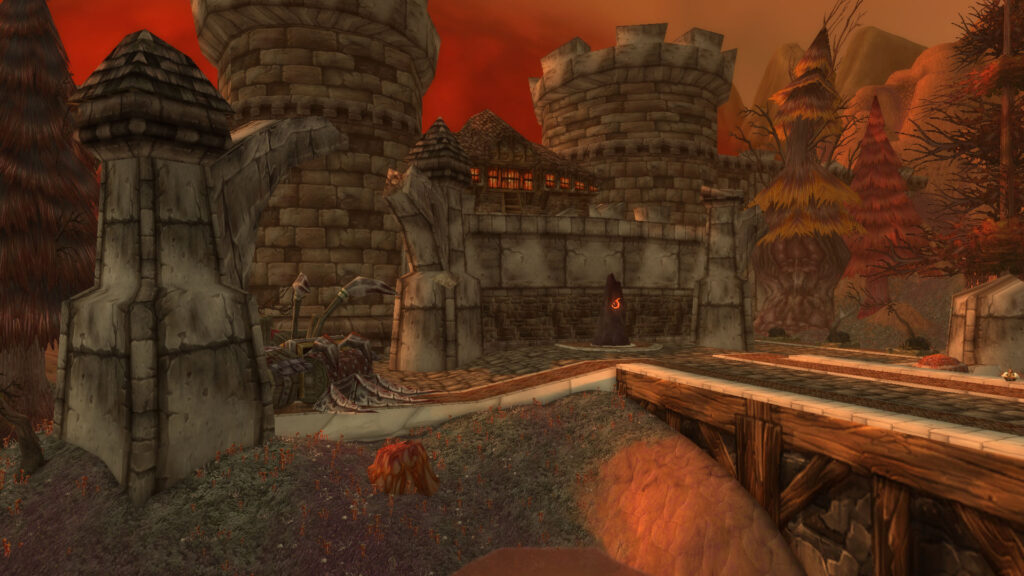
The Culling of Stratholme had significant future implications, shaping the ongoing conflict between the Alliance and the Scourge.
The aftermath of the Culling of Stratholme reverberated throughout the Warcraft universe, influencing the trajectory of the story and the characters involved. Arthas’s transformation into the Lich King marked a critical turning point, as he became a central antagonist in the ongoing battle against the Scourge. This shift not only altered the dynamics of power within the narrative but also set the stage for future conflicts, as the Alliance and Horde faced the growing threat of the undead. The consequences of Arthas’s actions would continue to impact the lives of countless characters, shaping their motivations and alliances.
Additionally, the Culling of Stratholme highlighted the fragility of hope in the face of overwhelming darkness. The loss of innocent lives and the moral dilemmas faced by leaders served as a cautionary tale for future generations. As new threats emerged, the lessons learned from this tragic event would influence the strategies and decisions of those who fought against the Scourge. The narrative surrounding the Culling would become a touchstone for discussions about sacrifice, morality, and the cost of war, resonating with players and characters alike.
In the long term, the implications of the Culling of Stratholme extend beyond individual characters, shaping the very fabric of the Warcraft universe. The themes of redemption, loss, and the consequences of choices made in desperation continue to resonate throughout the lore, influencing the development of new stories and conflicts. As players engage with the evolving narrative, the legacy of the Culling serves as a reminder of the complexities of leadership and the enduring impact of decisions made in the heat of battle.