
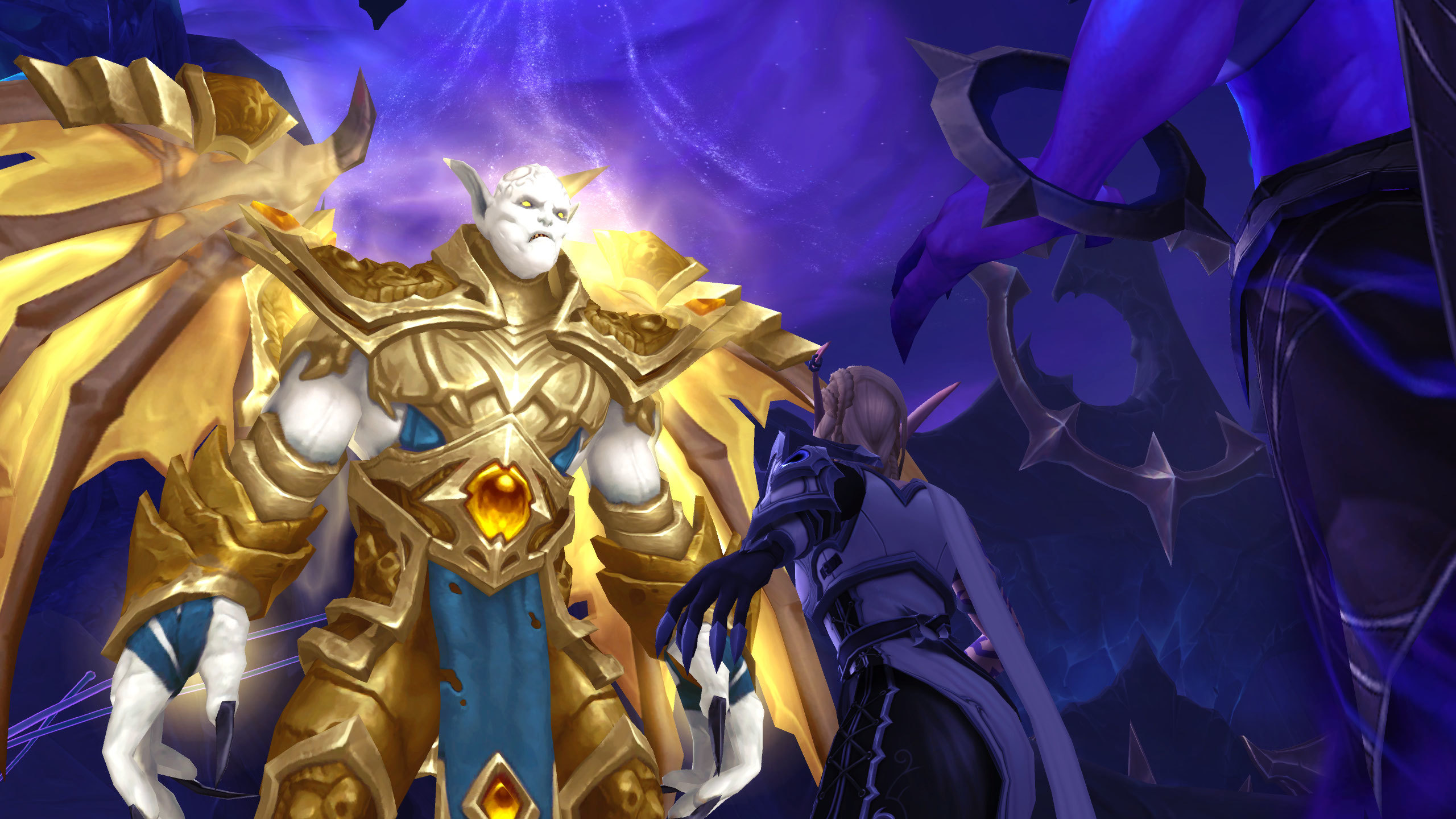

Before social media defined our daily digital interactions, World of Warcraft was already building a complex, multifaceted society. By requiring long-term cooperation and providing persistent public spaces, the game forced players to develop a new form of “digital citizenship.” This guide examines how the early WoW community laid the groundwork for modern internet behavior, from the birth of collaborative problem-solving to the very first instances of large-scale, coordinated digital activism.
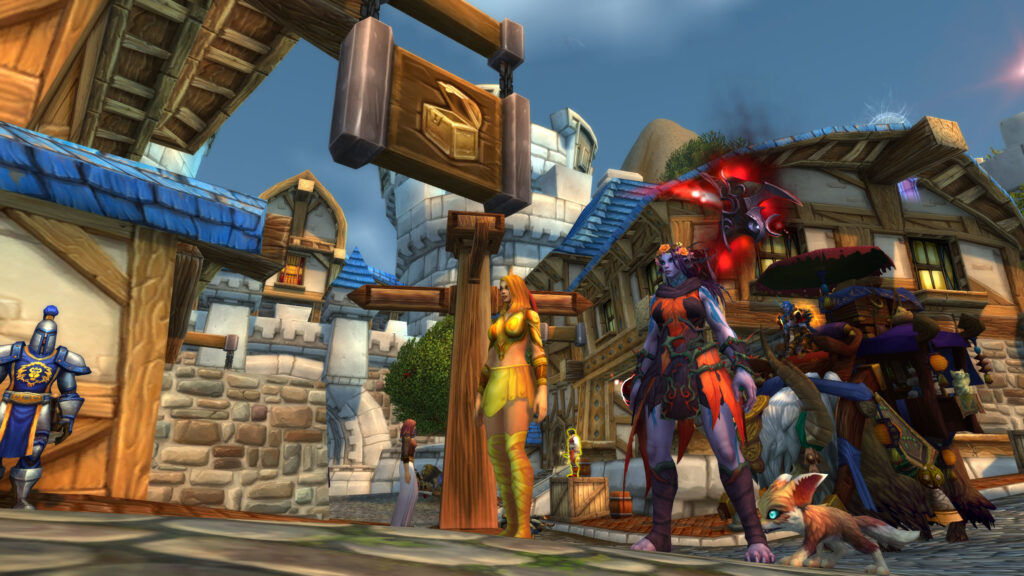
The Crucible of Cooperation
In the early 2000s, most online games were fragmented or competitive-only. WoW changed this by making cooperation the default state of the world. If you wanted to succeed, you had to be polite, reliable, and communicative. This created a culture where reputation actually mattered—the “server celebrity” or the “notorious ninja” were social constructs that had real-world consequences for the player. By tying a player’s progress to their social standing, the game forced an entire generation to learn how to manage digital reputations, mediate disputes, and organize large groups of people—skills that would later become standard in the professional digital world.
The community also became an early laboratory for internet linguistics. Because the game was global and demanded fast communication during high-stakes raids, players developed a shorthand of abbreviations, emotes, and situational codes. This became a localized dialect that bridged language barriers, proving that digital communities could generate their own unique culture. These interactions weren’t just about the game; they were about defining what it meant to be an “online person” in a shared, persistent space.
Culture-Building Pillars
| System | Cultural Evolution |
|---|---|
| Reputation Systems | Taught players the value of a digital name. |
| Raiding Coordination | Pioneered large-scale digital management. |
| In-Game Economy | Reflected real-world supply and demand logic. |
| Global Connectivity | Proved that international social bonds could endure. |
From Game to Public Square
World of Warcraft was one of the first places on the internet where millions of people spent a significant portion of their waking lives. It became a public square. Protests, memorials, and even political debates took place within the game’s cities. This normalization of “virtual space” helped transition the internet from a static library of information into a dynamic, social environment. Long before the term “metaverse” existed, WoW had already mastered the art of creating a secondary reality where people lived, worked, and grew together.